



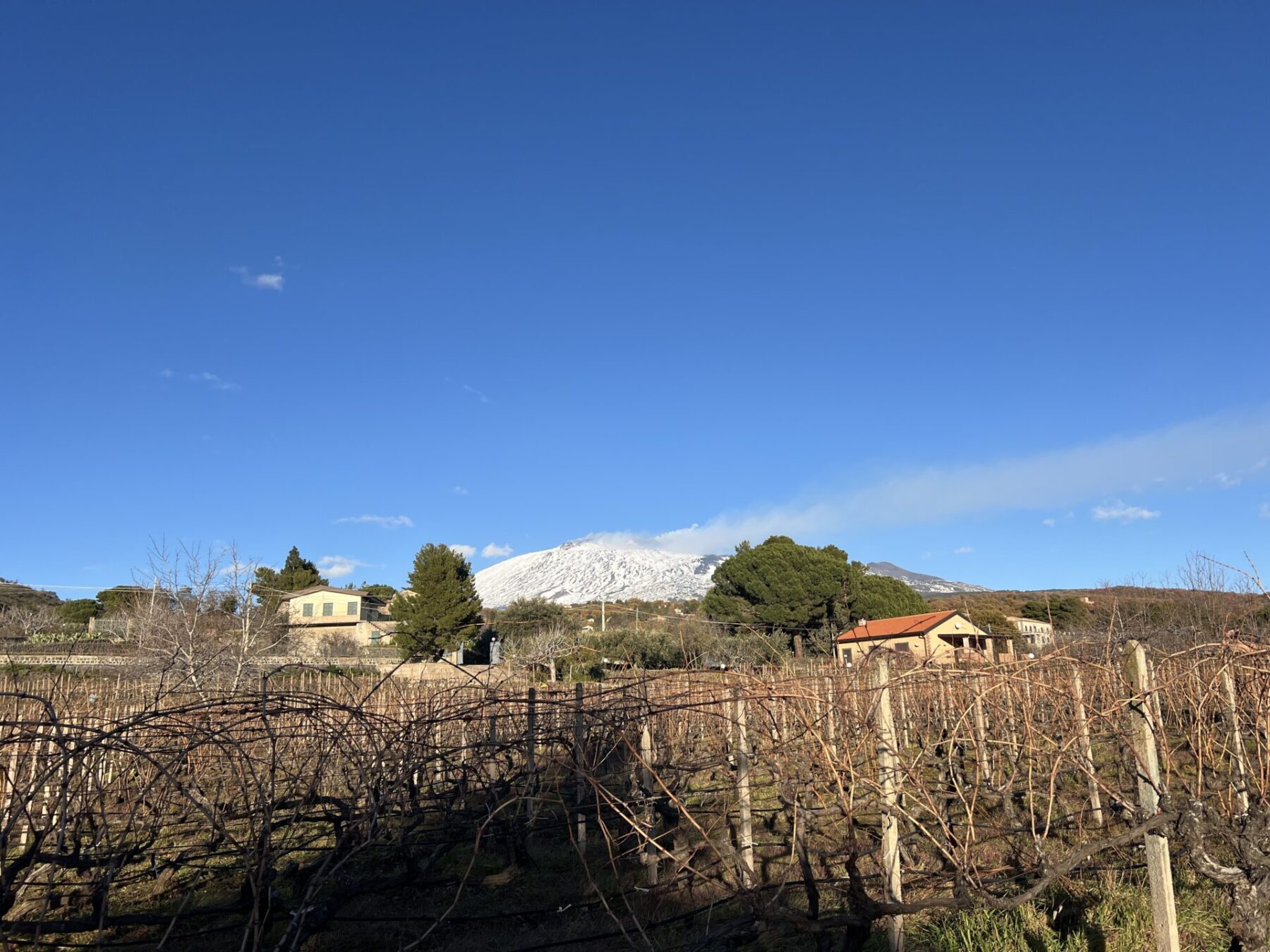
Tenuta del Vallone Rosso
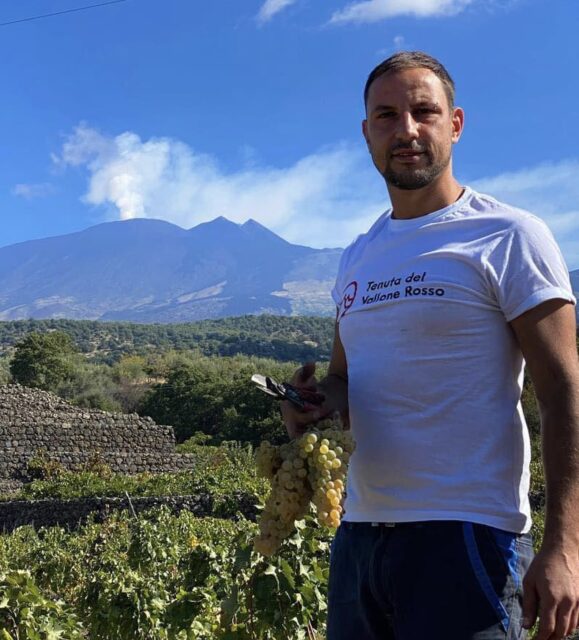

Tenuta del Vallone Rosso (TDVR) takes its name from the area in which it is located: the valley of Biancavilla, locally known as Vallone Rosso, on Etna’s southwestern slope. At just thirty years old, in a territory being rediscovered for its winemaking potential, Gianluca Furnari decided to roll up his sleeves and invest in his land.
The project was born from a personal promise he made to his uncle before he passed away: not to abandon the family vineyards that had been cultivated for generations, and to carry forward the family legacy. He felt a strong responsibility to take over these lands, convinced they have nothing to envy compared to other slopes of Etna. His deep connection to this territory strengthened his bond with the family vineyards and inspired him to take on this entrepreneurial challenge.
He started with half a hectare and gradually revived long-abandoned family plots. Today, he farms almost 3 hectares (about 7 acres) of vineyards located between 780 and 1,080 meters (2,600–3,500 feet) above sea level, just a few hundred meters outside the Etna DOC boundary. In this lesser-known southwestern side of Etna—now gaining recognition for its quality—century-old alberello-trained vines thrive, producing wines of character and identity shaped by altitude, volcanic soils, and a unique microclimate.
Gianluca balances two jobs to pursue his passion for wine. His primary work is in the family’s scrap and roadside assistance business, while he tends the vineyards whenever possible. Like many young growers investing in agriculture, he has worked to modernize his small winery, building and promoting his brand, with the hope that one day it will become his only profession. Starting with his first vintage in 2021, he has steadily increased production meeting his initial goal of producing 6,000 bottles a year.
The philosophy is rooted in respect for nature and ancient traditions. Farming follows organic practices, with a focus on native Sicilian varieties such as Nerello Mascalese, Nerello Cappuccio, Carricante, Minnella Bianca, and Alicante. The wines are made with minimal intervention, expressing purity, balance, and a strong sense of place. Central to this vision is a deep connection to “’a Muntagna,” as locals affectionately call Mount Etna. Careful observation of this ever-changing environment, combined with respect for tradition, guides every decision in the vineyard and cellar.
His work as a farmer-artisan continues year-round, often harvesting later than other regions due to Etna’s altitude. Through dedication, quality, and a strong identity, he aims to help revive this side of Etna while preserving a family heritage that might otherwise have been lost.
https://www.tenutadelvallonerosso.com/